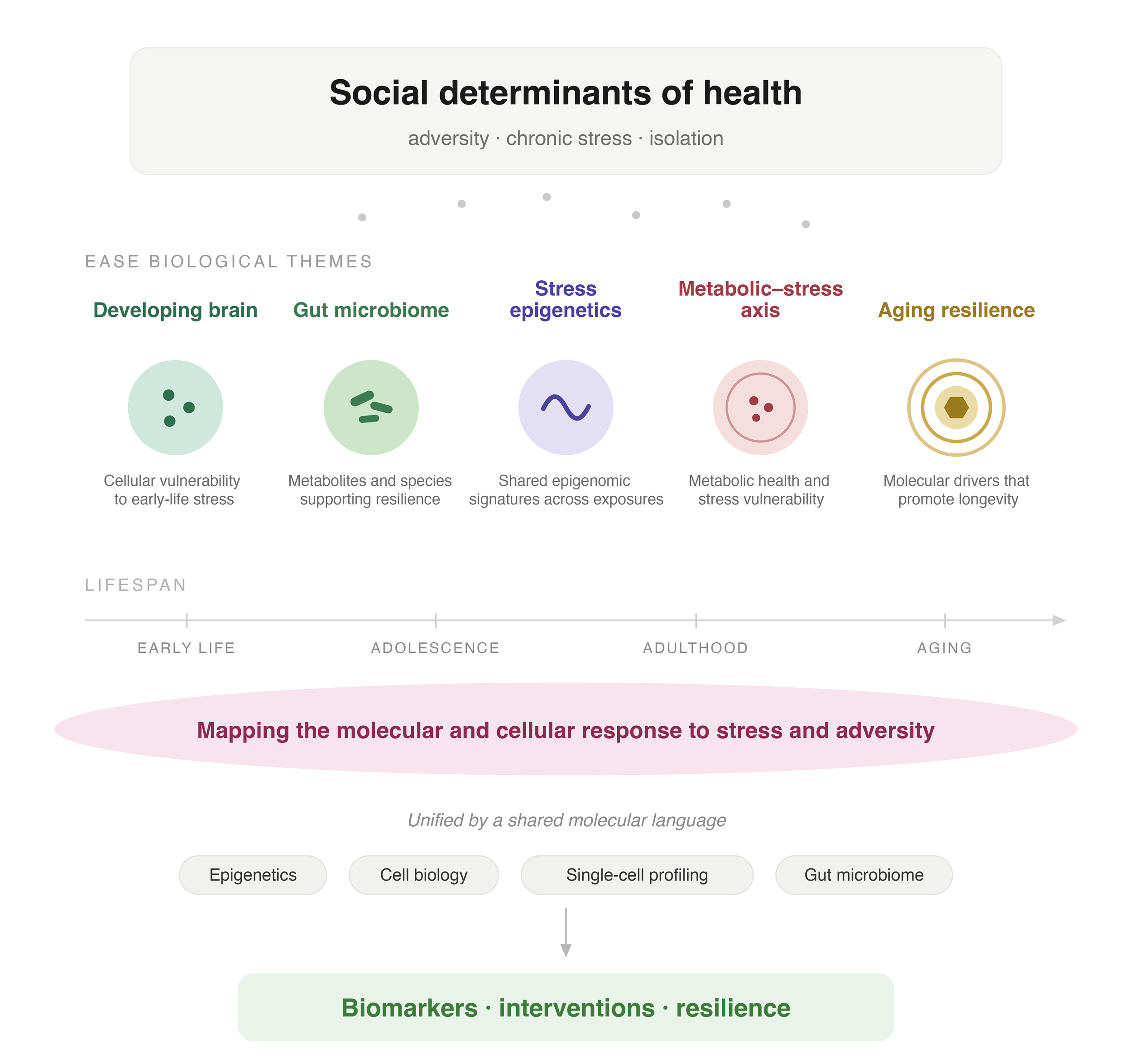
The EASE Lab studies how the social determinants of health experienced across the lifespan become molecularly embedded in the body.
Experiences like early-life adversity, chronic stress, or social isolation shape lifelong vulnerability and resilience to human flourishing, but we still don’t understand how.
How early-life stress shapes the developing brain
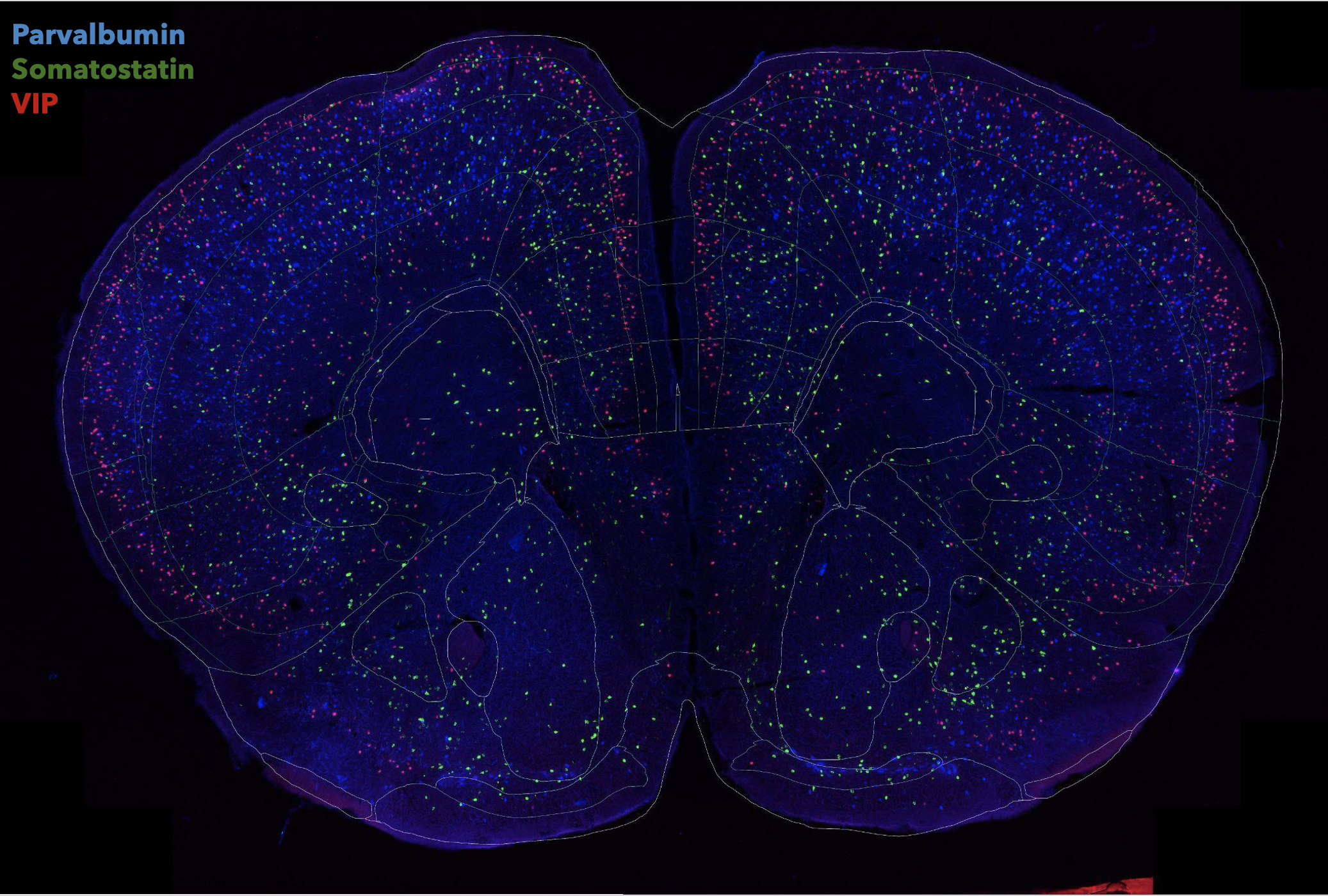
Nearly half of children in the U.S. are exposed to adverse childhood experiences, and chronic early-life stress dramatically raises lifelong risk for depression, suicide, and dementia. Using a mouse model of early life chronic resource deprivation, we've shown that early adversity disrupts the density, physiology, and gene expression of parvalbumin-expressing interneurons in the prefrontal cortex. These inhibitory neurons are essential for normal circuit function and are dysregulated in many neuropsychiatric disorders. Our work traces this vulnerability back to developmental processes including programmed cell death and chromatin remodeling, and tests whether restoring interneuron function can rescue stress-induced behavioral deficits. The goal is to understand why these cells are so susceptible to early adversity, and to identify when and how to intervene. (Image caption: whole-slice image of cortical interneuron distribution in the mouse anterior brain).
Nearly one in four children in the U.S. today experiences chronic stress, yet we lack a single diagnostic test or targeted therapy to address this immense problem. By integrating human brain profiling with preclinical models, we work to uncover the epigenetic and cellular mechanisms through which experience shapes biology, and to identify biomarkers and interventions that promote resilience.
Some of our research projects include:
A conserved epigenetic signature of stress
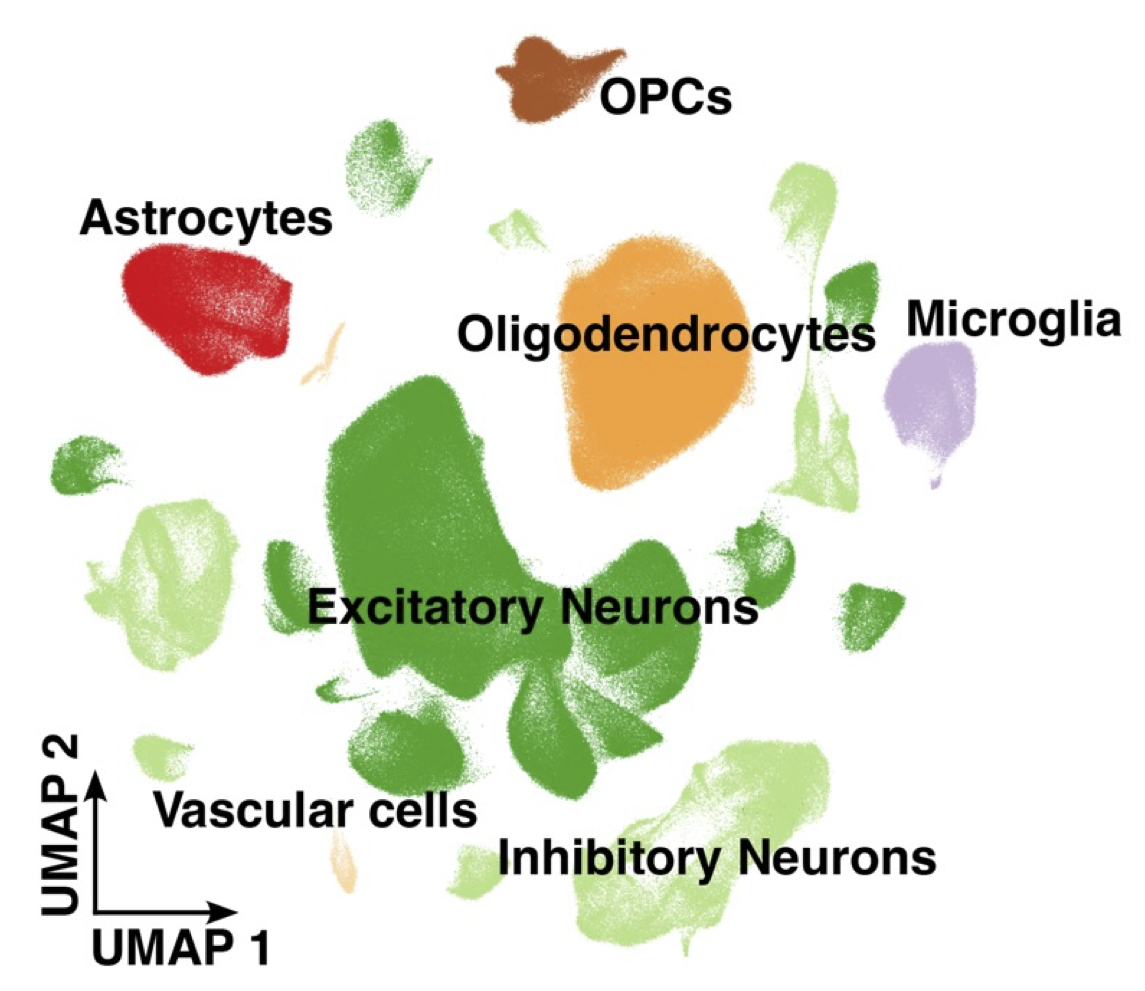
The field has long assumed that different stressors leave distinct molecular fingerprints. Our preclinical work suggests something more interesting: a conserved transcriptional and epigenetic response to multiple types of stress we have observed in multiple mouse models and brain regions. We're now expanding this work across stress paradigms and into human post-mortem tissue to test whether a core, shared epigenetic signature of stress exists and could be targeted therapeutically. (Image caption: Single nucleus RNA-seq profiling of the brain across multiple stress exposures).
Choline and the biology of social isolation
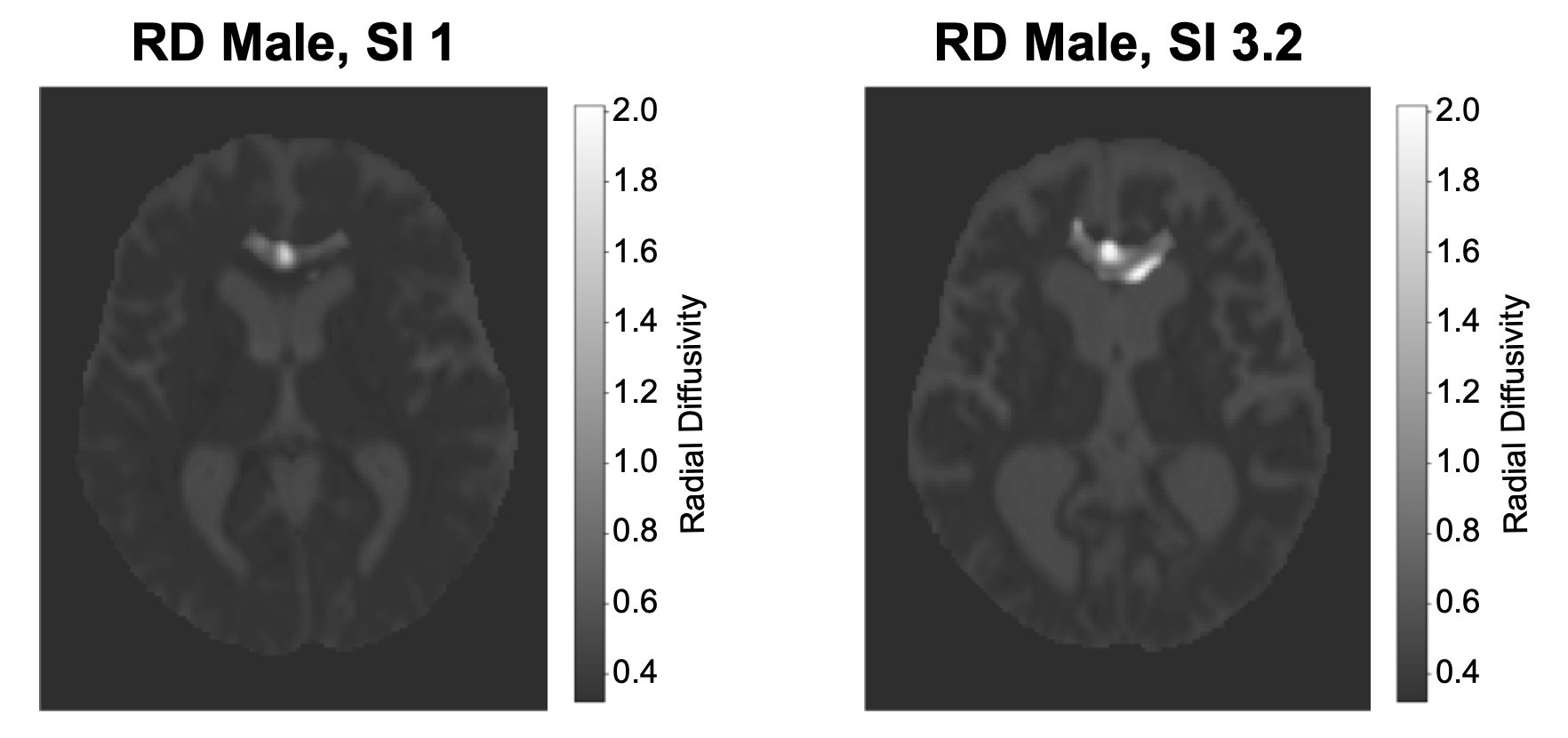
Recent epidemiological work has shown that social isolation and loneliness are more damaging to long-term health than smoking or heavy alcohol use. Studying the brains of socially isolated humans and rodents, we identified an evolutionarily conserved response to isolation involving dysregulated lipid metabolism, with effects specifically pronounced in males. Dietary choline supplementation reversed the functional deficits induced by isolation in rodents. Ongoing work uses single-cell profiling to define how isolation produces these sex-specific changes and how choline restores normal cellular function. (Image caption: Human brain diffusion-weighted MRI imaging of non-isolated, left, and isolated, right, individuals).
Activating MEF2 to promote brain resilience
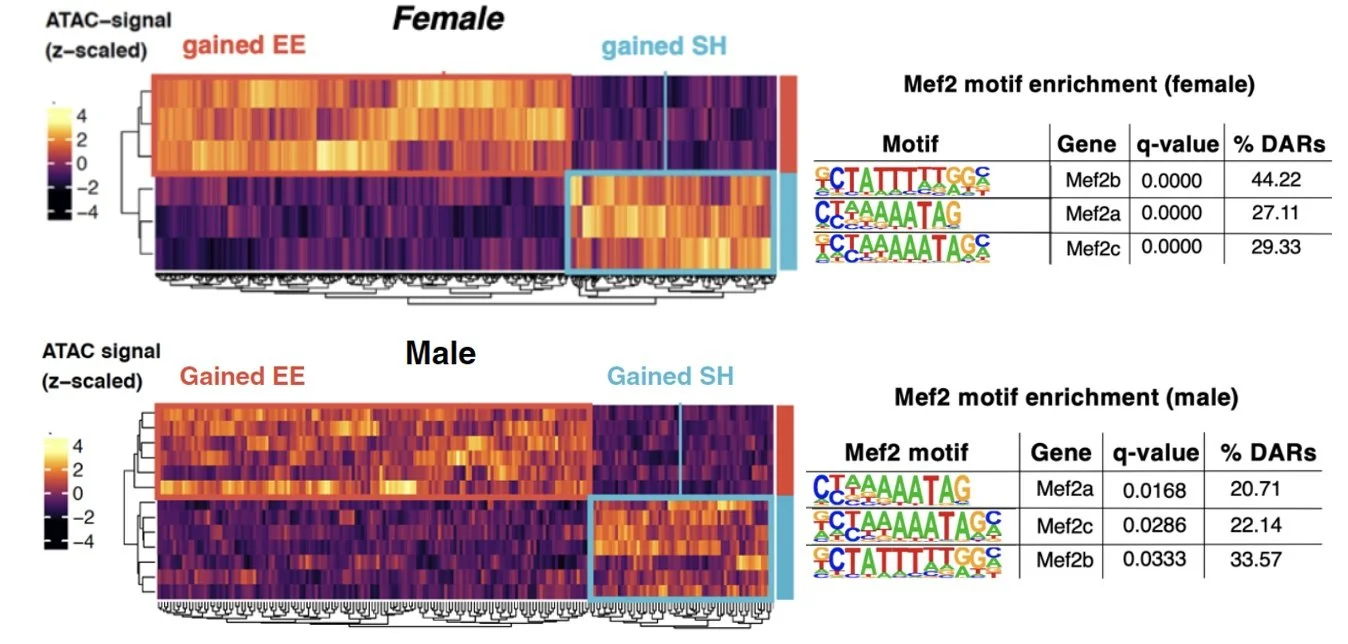
Lifelong cognitive and mental engagement is among the most powerful protective factors against neuropsychiatric and neurodegenerative disease, cutting Alzheimer's risk by nearly half. We've found that enriching environments work in part by reshaping the epigenome of neurons, and we identified the MEF2 family of transcription factors as a key molecular link between experience and neuroprotection. Through high-throughput screening, we discovered small-molecule activators of MEF2 and are now testing whether they can build resilience in preclinical models of disease. (Image caption: Whole genome chromatin accessibility profiling from enriched and non-enriched mouse cortex).
Microbiome-mediated stress resilience
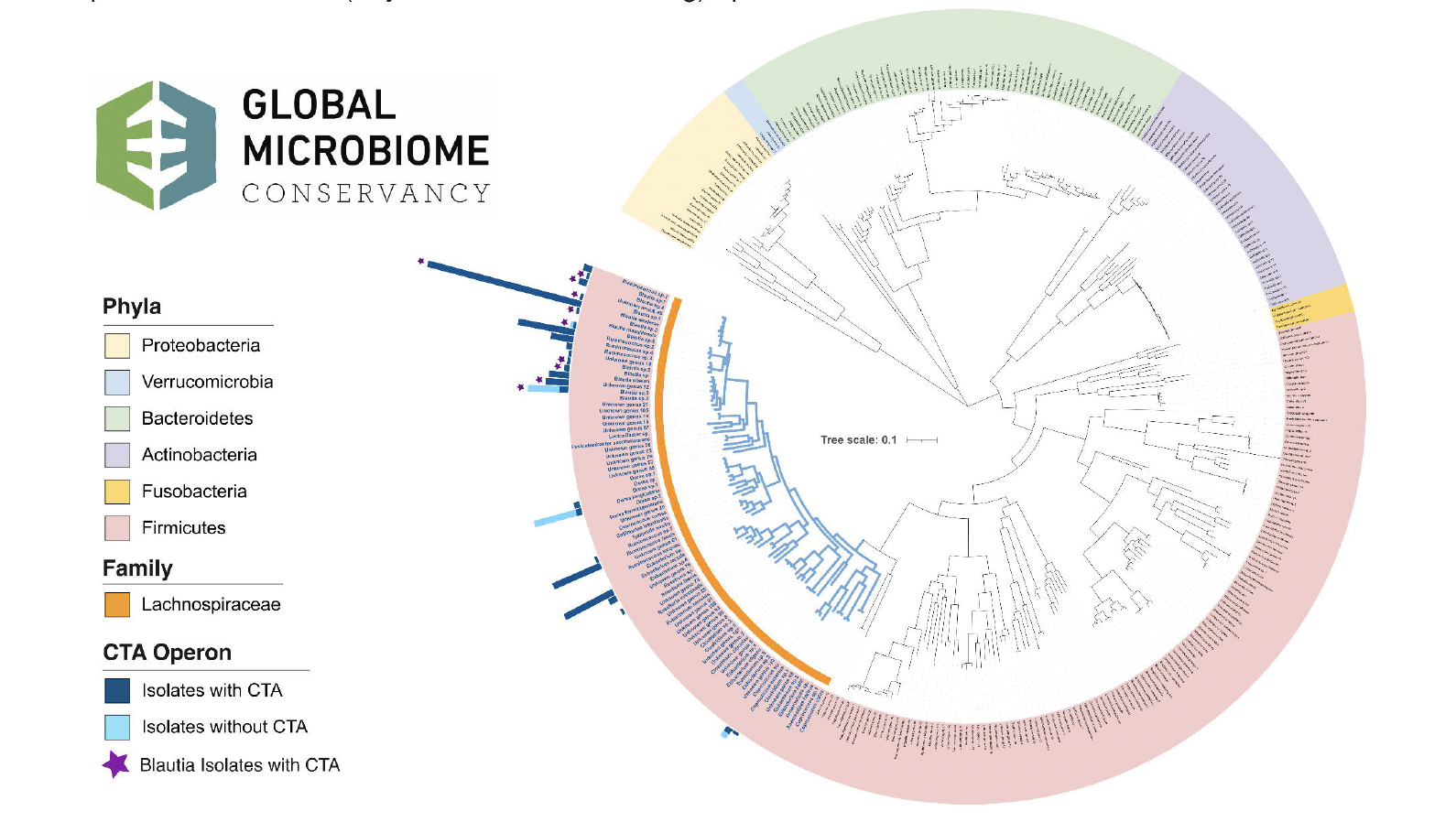
Early life adversity can lead to disordered eating, a compensatory response to stress that results in metabolic dysfunction and cardiovascular disease. We are broadly interested in understanding how stress-related eating develops. We have found that the microbiome plays an important role in regulating emotional eating, and discovered a commensal bacterium and its bioactive metabolite that can protect against loss-of-control eating. (Image caption: Mapping of bacterial species containing the protective acyl-transferase containing operon).